How much cancer is actually preventable?
Cancer is not simply a matter of bad luck or bad genes. The World Health Organization estimates that 30 to 50 percent of cancers could be prevented by avoiding known risk factors and applying proven prevention strategies. US data underline the scale: an estimated 40 percent of new cancer cases diagnosed in the United States are attributable to modifiable factors such as smoking, excess body weight, alcohol, physical inactivity, UV radiation and certain infections.
No single measure guarantees protection, and no lifestyle can fully eliminate risk. But the evidence assembled by the World Cancer Research Fund (WCRF), the American Institute for Cancer Research (AICR) and the WHO points clearly in one direction: a package of everyday decisions, above all tobacco avoidance, diet, weight and physical activity, changes the odds dramatically.
Step one: don’t smoke
Tobacco remains the single largest preventable cause of cancer, responsible for roughly a third of cancer deaths and implicated not only in lung cancer but also in cancers of the mouth, throat, esophagus, pancreas, bladder, kidney, cervix and more. It is also the most controllable factor: quitting smoking at any age reduces cancer risk, and avoiding secondhand smoke protects non-smokers in the same way. For anyone who smokes, cessation support from a physician or a quitline delivers greater risk reduction than any dietary change ever could.
Diet: what the WCRF/AICR recommendations say
The 2018 WCRF/AICR Third Expert Report distilled decades of research into ten cancer prevention recommendations. Studies that track adherence to these recommendations show striking effects: meeting most of them is associated with substantially lower rates of colorectal, breast and other cancers, and better survival after diagnosis. The core dietary advice:
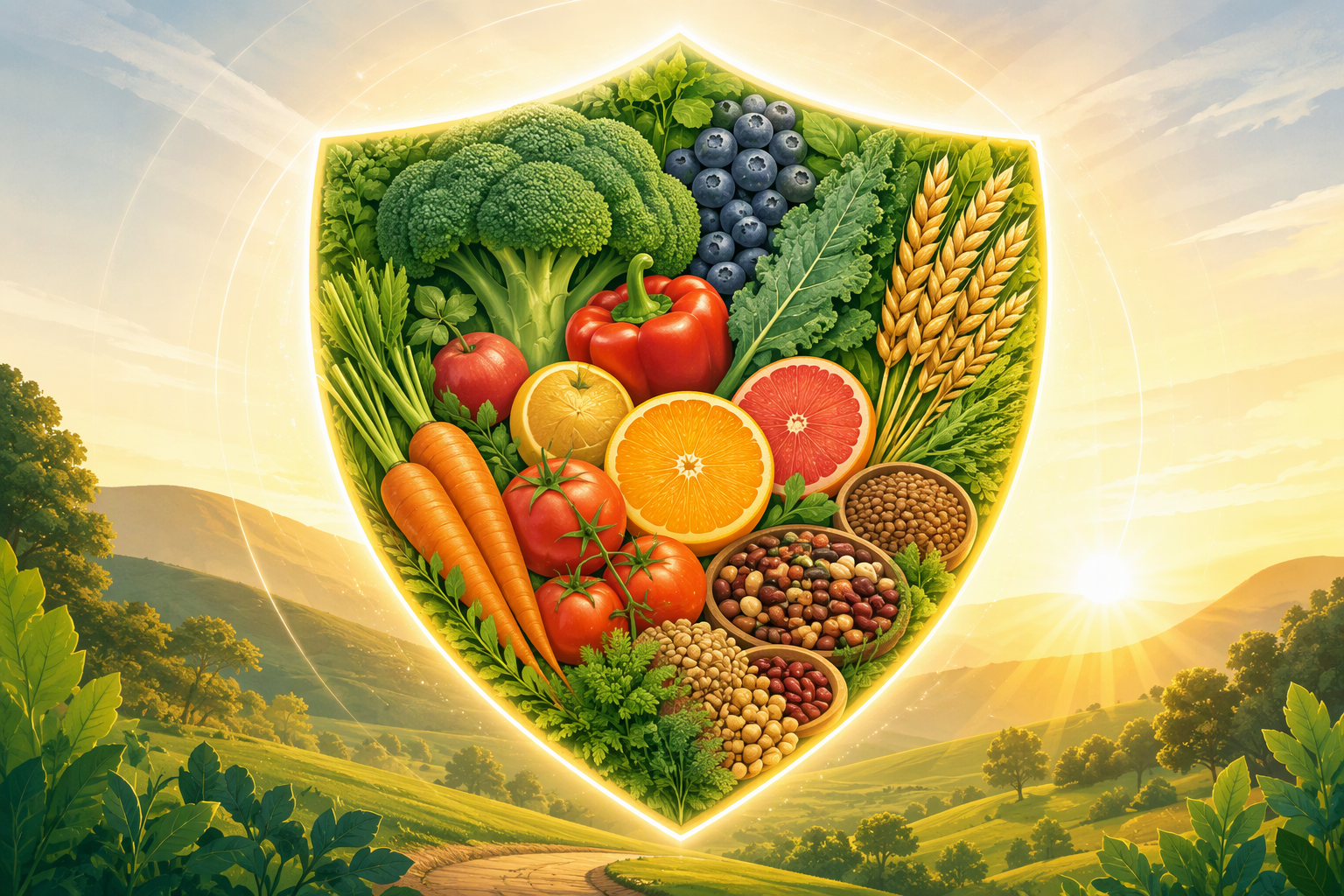
Eat mostly plants: fiber, vegetables, fruit, whole grains, legumes
Aim for at least 30 grams of fiber per day and about 400 grams of vegetables and fruit, alongside whole grains and beans. Fiber, resistant starch and the cocktail of vitamins, carotenoids and polyphenols in plant foods support a healthy gut lining, reduce inflammation and help control weight. The evidence is strongest for colorectal cancer: the AICR estimates that about half of colorectal cancer cases are preventable through diet, weight and physical activity.
Limit red meat, avoid processed meat
The WCRF/AICR advises keeping red meat (beef, pork, lamb) to about 350–500 grams (12–18 ounces) cooked per week. Processed meat, sausages, bacon, ham, hot dogs, is classified by the WHO’s cancer agency as a Group 1 carcinogen: risk rises measurably even at small intakes, so these foods are best avoided or eaten only rarely.
Limit fast food, ultra-processed products and sugary drinks
Highly processed foods high in fat, starch and sugar crowd protective foods out of the diet and drive weight gain. Sugar-sweetened beverages are the clearest example: they deliver calories without satiety. Water and unsweetened drinks should be the default.
Alcohol: less is better, none is best
Alcohol is also a Group 1 carcinogen, linked to cancers of the breast, liver, mouth, throat, esophagus, colon and rectum, with risk rising with every drink. The old idea that moderate drinking is protective has collapsed under newer analyses: from a cancer perspective, there is no safe level of alcohol.
Weight and movement: the second pillar
Excess body fat is linked to at least 13 cancer types, including breast (after menopause), colorectal, kidney, liver, pancreatic and endometrial cancer. Fat tissue promotes chronic inflammation and alters hormone levels in ways that favor tumor growth. The WCRF/AICR recommendations therefore go hand in hand: be physically active (at least 150 minutes of moderate activity per week), limit sedentary time and keep weight within the healthy range throughout life, not just in old age. Regular physical activity lowers the risk of several cancers independently of its effect on weight.
Protection beyond the plate
Several other measures round out effective prevention:
- UV protection: skin cancer is among the most common cancers, and consistent sun protection (shade, clothing, sunscreen) and avoiding tanning beds prevent most cases
- Vaccinations: the HPV vaccine prevents most cervical cancers and several other HPV-related cancers; hepatitis B vaccination reduces liver cancer risk
- Treating infections: screening for and treating Helicobacter pylori lowers stomach cancer risk; HIV treatment reduces several infection-linked cancers
- Occupational and environmental awareness: radon in homes, asbestos and certain chemicals are established carcinogens worth testing for and avoiding
- Breastfeeding and hormonal factors: breastfeeding protects the mother against breast cancer; decisions about hormone replacement therapy should weigh cancer risk
What does not prevent cancer
Equally important is what to skip. The WCRF/AICR explicitly recommends not using dietary supplements for cancer prevention. Large trials showed that high-dose beta-carotene supplements actually increased lung cancer rates in smokers, and most antioxidant supplements have failed to show protection. Nutrients appear to work as food, in combination with fiber and the food matrix, not as isolated pills. Detox cures, extreme diets and “superfood” promises have no supporting evidence.
Screening: detection is not prevention, but it saves lives
Even with perfect prevention habits, risk never drops to zero. That’s why screening programs exist: colonoscopy, mammography and cervical screening (Pap or HPV testing) detect cancers early or remove precancerous growths before they become dangerous. Following the recommended screening schedule for your age group is the logical complement to a preventive lifestyle.
The bottom line
Cancer prevention is a package, not a single superfood or miracle habit. The evidence-based formula is unglamorous but powerful: don’t smoke, keep alcohol minimal or zero, build your diet around fiber-rich plant foods, limit red meat and avoid processed meat and sugary drinks, stay active and keep a healthy weight, protect your skin, and get the recommended vaccines and screenings. None of these steps offers absolute protection, but together they can cut cancer risk by roughly a third to a half, and they simultaneously protect against cardiovascular disease, diabetes and dementia, a rare win-win in preventive medicine. Anyone with a family history of cancer or personal risk factors should discuss individualized prevention with their physician.
Leave a Reply